Light Pollution & The Night Sky
05/04/2024
by ThalleonAdmin
Hi, Brian Johnson here, resident of Pringle Bay for 4 years.
There are a group of residents who have formed Pringle Bay Rewilding and whilst that probably makes you think of fauna and flora, I would like to put another slant to their mission.
We are not only blessed with our beautiful landscape, fynbos, indigenous trees and shrubs, nocturnal wildlife and of course, the baboons. We are blessed also with some of the clearest, unpolluted night skies in the province. Particularly to the South and Southeast where the Milky Way shows itself spectacularly, particularly during the early morning hours between 2 and 4am. Comparable sometimes to the skies of Sutherland. If you look to the north and west you will see a lighter sky and fewer stars as light pollution from Gordons Bay, Somerset West, Stellenbosch and beyond leaves a big footprint on the visibility of our stars.
I have always looked up on clear nights to find Orion and his belt, the Southern Cross, Scorpio but lived in an area of house and streetlights. Moving to Pringle Bay gave me an opportunity to buy equipment and to try and study them deeper. To see and photograph galaxies thousands of light years away. Note a ‘light year’ is 4.8 trillion miles. It is possible with the correct equipment, time, and post processing to capture such images.
I am still a long way from that despite having the equipment to do so. At the moment I am content with using a ‘bog standard’ Nikon camera, on a tripod with a standard 18-55mm lens. You need to calculate shutter speed (I use 13 seconds) Aperture f2,8 and ISO (International Organisation for Standardisation) of 3200. I take a single picture to capture a RAW image which contains all the data the camera can extract in the time. You will have a picture like Figure 1.
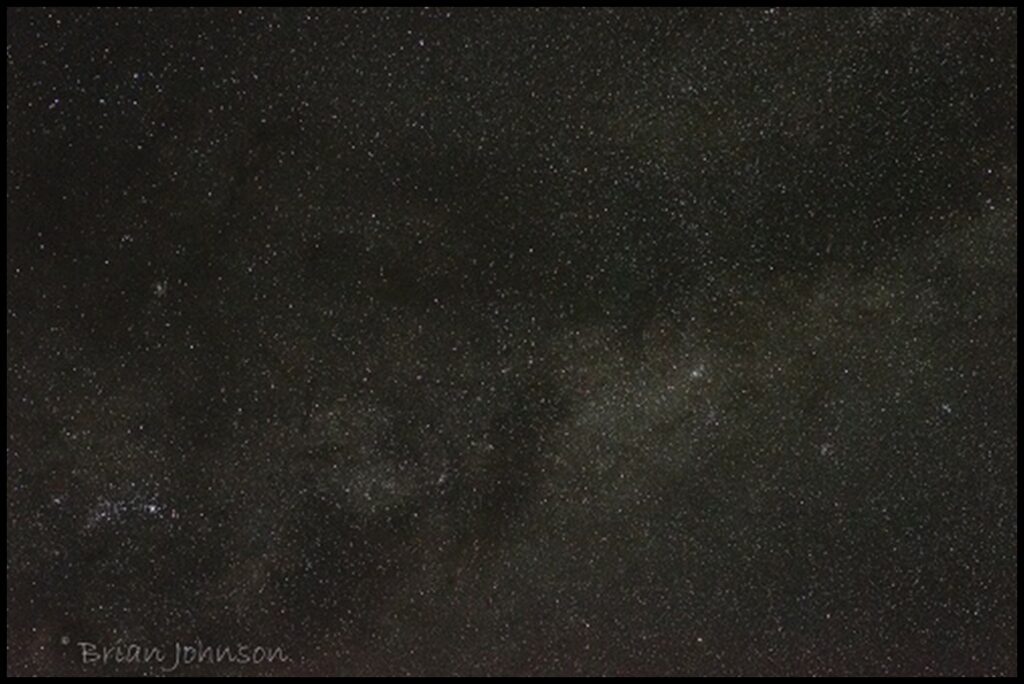
Figure 1: Photograph taken with a Nikon camera using 18 – 55mm lens.
Figure 1 indicates what you could see with the naked eye. Our eyes cannot match the set up the camera can so pictures need a solution to bring out the picture. Pretty much like the ‘old’ way of developing in chemicals in a dark room would extract a photograph.
Then comes the fun bit, taking all the data and using Lightroom (an editing program) to manipulate to a final picture, my interpretation of what I would see with more powerful equipment. Yes, you could say its poetic licence, but it is what my mind envisages. Data has been extracted from the RAW files to produce pictures in Figures 2-4. These all depict portions of the Milky Way (in the East).
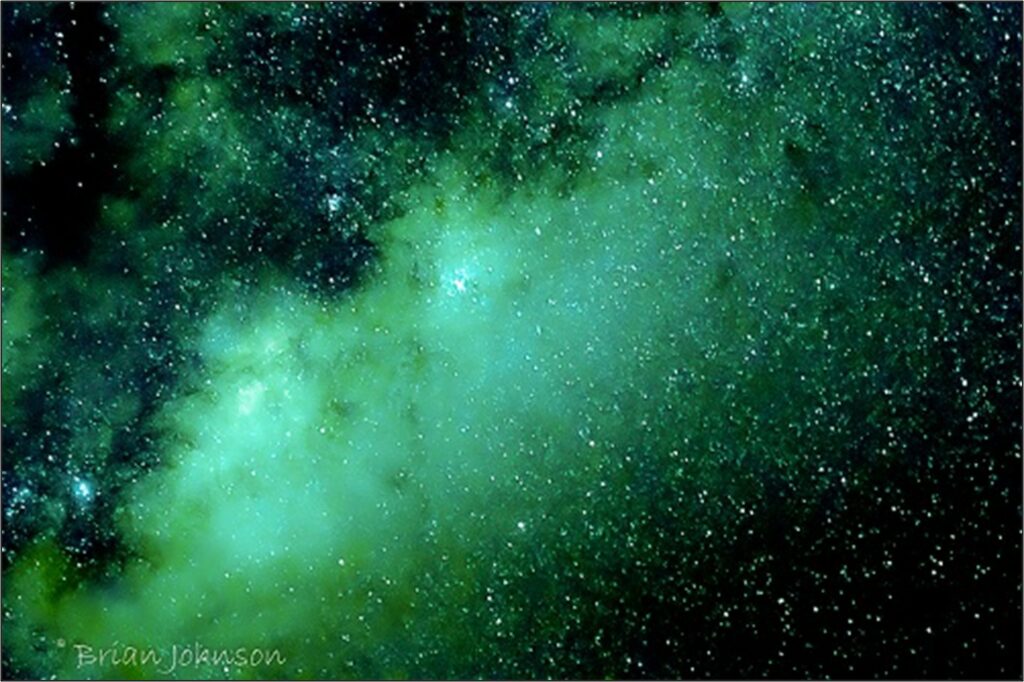
Figure 2 is a photograph showing the complete Milky Way.
Figure 1 indicates what you could see with the naked eye. Our eyes cannot match the set up the camera can so pictures need a solution to bring out the picture. Pretty much like the ‘old’ way of developing in chemicals in a dark room would extract a photograph.
Then comes the fun bit, taking all the data and using Lightroom (an editing program) to manipulate to a final picture, my interpretation of what I would see with more powerful equipment. Yes, you could say its poetic licence, but it is what my mind envisages. Data has been extracted from the RAW files to produce pictures in Figures 2-4. These all depict portions of the Milky Way (in the East).
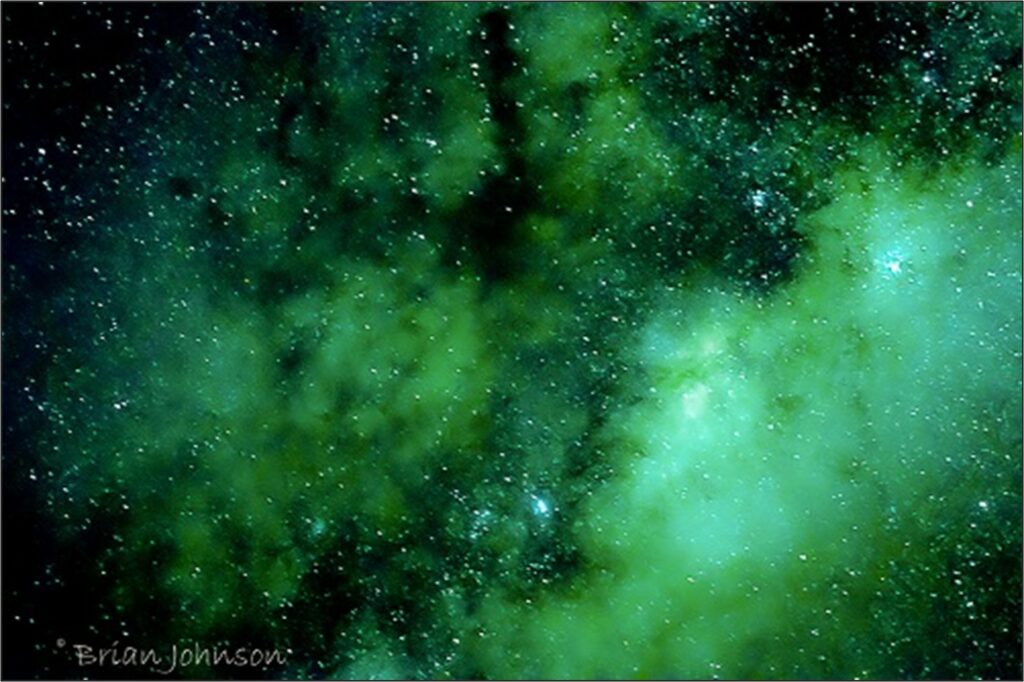
Figure 3 shows a main portion of the Milky Way that I usually photograph.
Figure 2 is a photograph showing the complete Milky Way. Figure 3 shows a main portion of the Milky Way that I usually photograph. Figure 4 has been edited in Lightroom.
The files contain an exceptionally large amount of data which can be manipulated to produce what I feel would be the view and if our eyes were capable. I would for example, make the picture lighter, the contrast between light and dark areas clearer, bring out the colours, predominately yellow and blue, remove ‘digital noise’ which is something created by the camera sensor. The one thing I do not do is ADD anything and to clarify – It is not Photoshop which can do amazing ‘not quite real’ things, rather it’s an editing program. You have to have one if you are a photographer and Lightroom is my choice.
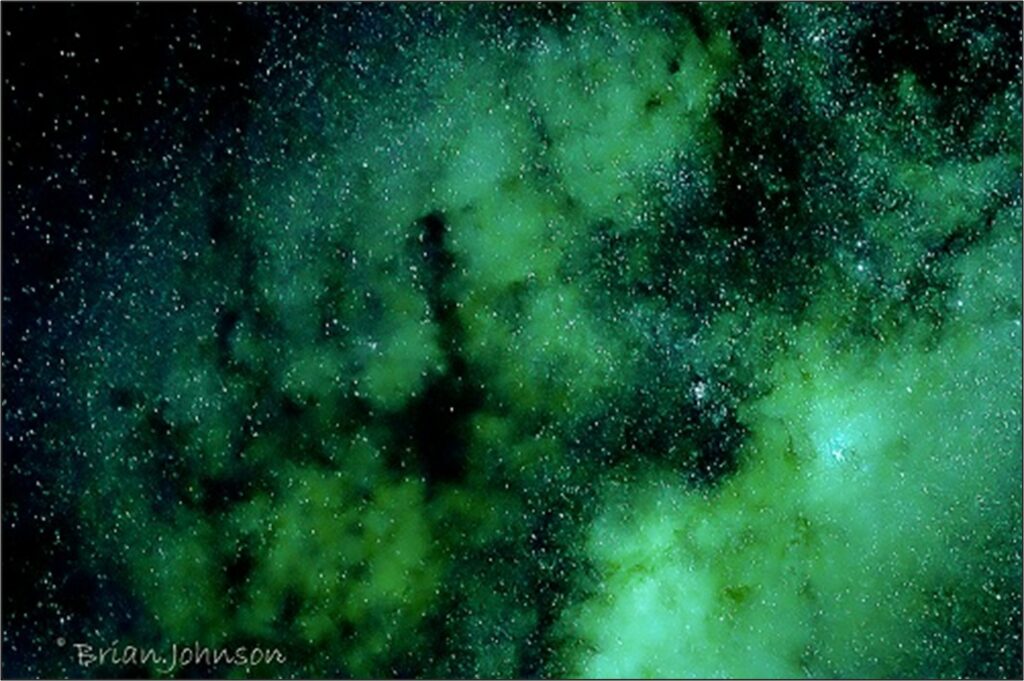
Figure 4 has been edited in Lightroom.
You might be wondering what the Milky Way is? It’s where we live – a galaxy that includes our solar system formed by stars that cannot be individually distinguished by the naked eye. It contains gases, dust and stars (said to be at least 200 billion). Stars are born and stars die. It is a spiral galaxy with an estimated diameter of 100,000 to 200,000 light years. One light year being 5.8 trillion miles. (one mile = 1.609km)
So, to get back to the original point, LIGHT POLLUTION. Please try and avoid those powerful security lights. They not only affect the nocturnal animals and sometimes predators but your surrounding neighbours. There has to be other options to securing your home, sadly our municipality insists on a fence if you have dogs, but they don’t insist on that fence being electrified.
Think about it.
Should anyone need some start up encouragement to take pictures of the stars they can email me on brian@astronet.co.za
Take care…