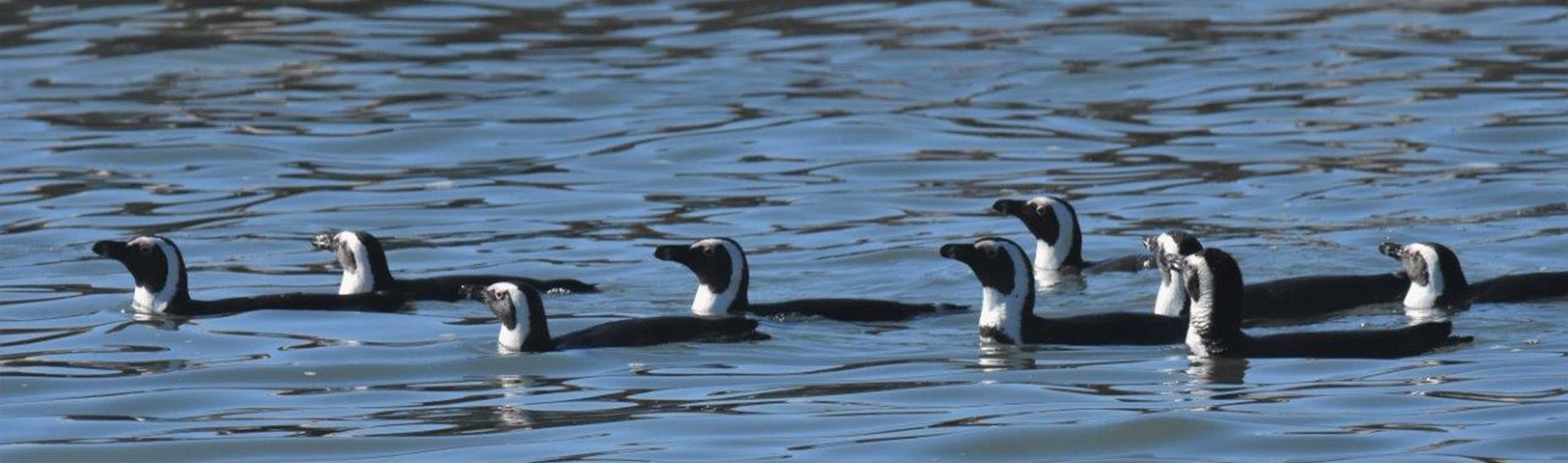
Celebrating our local AFRICAN PENGUIN on World Penguin Day 2023
ThalleonAdmin
4 minute read
05/04/2024
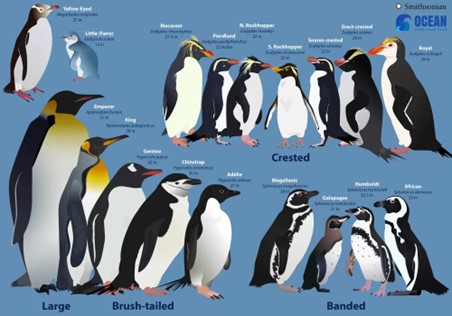
While we are privileged to have the Cape Nature Stony Point Penguin Colony in our backyard so to speak and as we celebrate World Penguin Day what most don’t realize is that penguin numbers across all species are declining around the world. The Smithsonian infographic depicts how big all the different penguin species get.
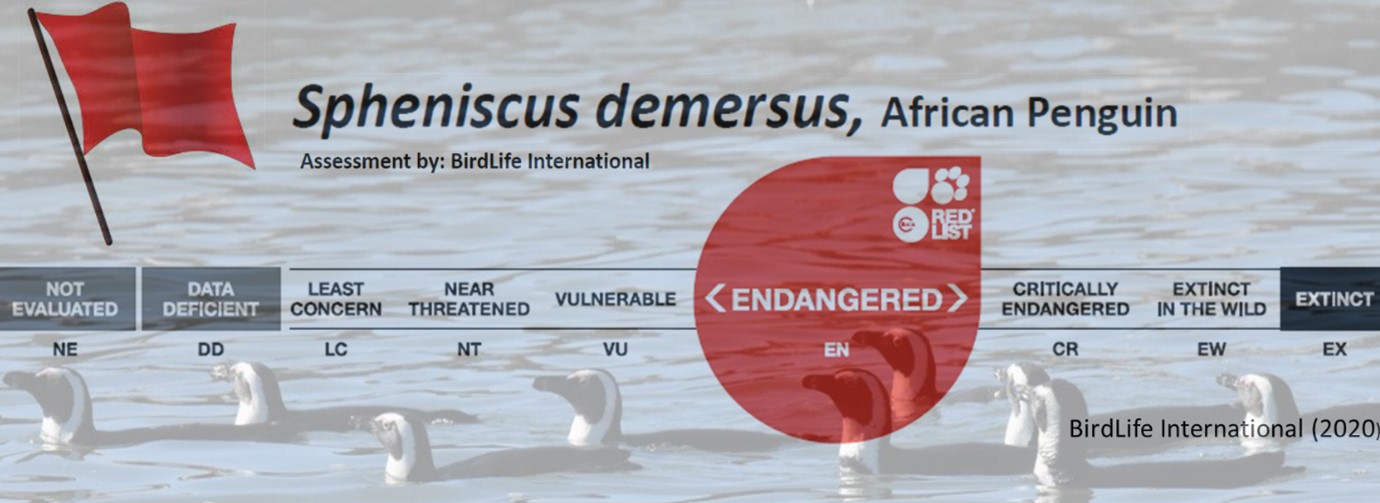
African penguins are listed as endangered by the International Union for Conservation of Nature (IUCN). Tembile Sgqolana (DM 08/08/2022) reported that according to the Department of Forestry, Fisheries and the Environment (DFFE) that the population has collapsed from >1M breeding pairs a hundred years ago to <10 000 pairs today.
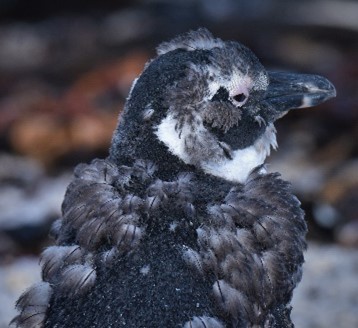
The African Penguin is around 63cm tall and is also known as the ‘Jackass Penguin” as its sounds like a donkey braying.
They are the only endemic breeding penguins of Southern Africa found in inshore marine waters, while breed and moult onshore on coastal islands and isolated mainland colonies like the Stony Point Reserve in Betty’s Bay.
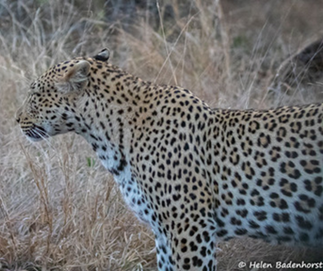
The nest are burrows and incubation of eggs is approximately 40 days, while nestling period is approximately 80 days. Predation is high on exposed nests especially by Kelp Gulls. In 2016 a leopard killed 33 penguins at the Stony Point colony.
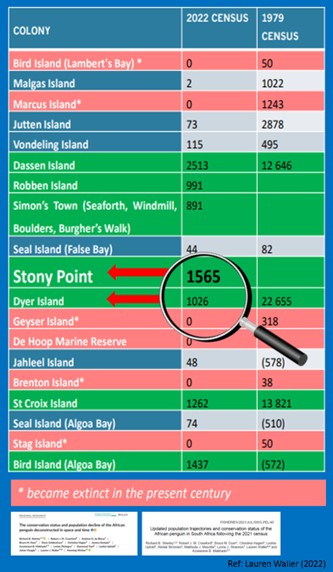
Some interesting population statistics presented by Lauren Waller (November, 2022) with Stony Point and Dyer Island highlighted as they fall in our Overberg region.
Dyer Island Conservation Trust does amazing work at Gansbaai and was founded by Wilfred Chivell in 2006.
Moulting season occurs in the summer. All penguins moult annually to maintain the structure and waterproofing of their feathers due to the wear and tear of staying out at sea for long periods when they are foraging for food. They are at their most vulnerable during the moult as they do not feed for 21 days and rely on fat resources stored. It is critical that they are not disturbed or stressed during this time.
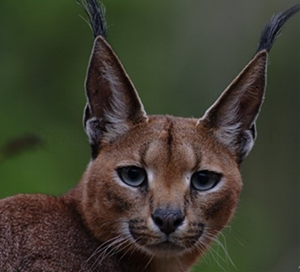
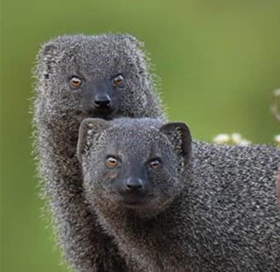
What are the threats to these interesting and much-loved birds. Land-based predators according to Cape Nature (2016) include gulls, mongeese, leopards, caracals, domestic dogs & cats and humans (e.g. recent roadkill incidents in Betty’s Bay).
The African Penguin is under severe threat. The conservation initiatives by BirdLife South Africa, Department of Forestry, Fisheries and the Environment, Cape Nature and Dyer Island are playing a vital role to help these birds. Professor Lorien Pichegru (DM 07/12/2022) believes that African penguins are dying and urgent solutions need to be put in place and that fishing exclusion zones, or Marine Protected Areas, are indeed the right solution going forward.
References
BirdLife International. 2020. Spheniscus demersus. The IUCN Red List of Threatened Species 2020: e.T22697810A157423361. https://dx.doi.org/10.2305/IUCN.UK.2020-3.RLTS.T22697810A157423361.en. Accessed on 18 April 2023.
Cape Nature, 2016. Stony Point Seabird Colony Update, December 2016.
Chittenden, H. 2009. Roberts Bird Guide: A comprehensive field guide to over 950 bird species in southern Africa. John Voelcker Bird Book Fund. Cape Town.